Investment Perspective
Evaluating Rental Yield in Prime Luxury Assets
How rental yield really works in India's super-luxury real estate. Understand yield vs. appreciation, Grade-A factors, and net returns in Delhi and Gurgaon.
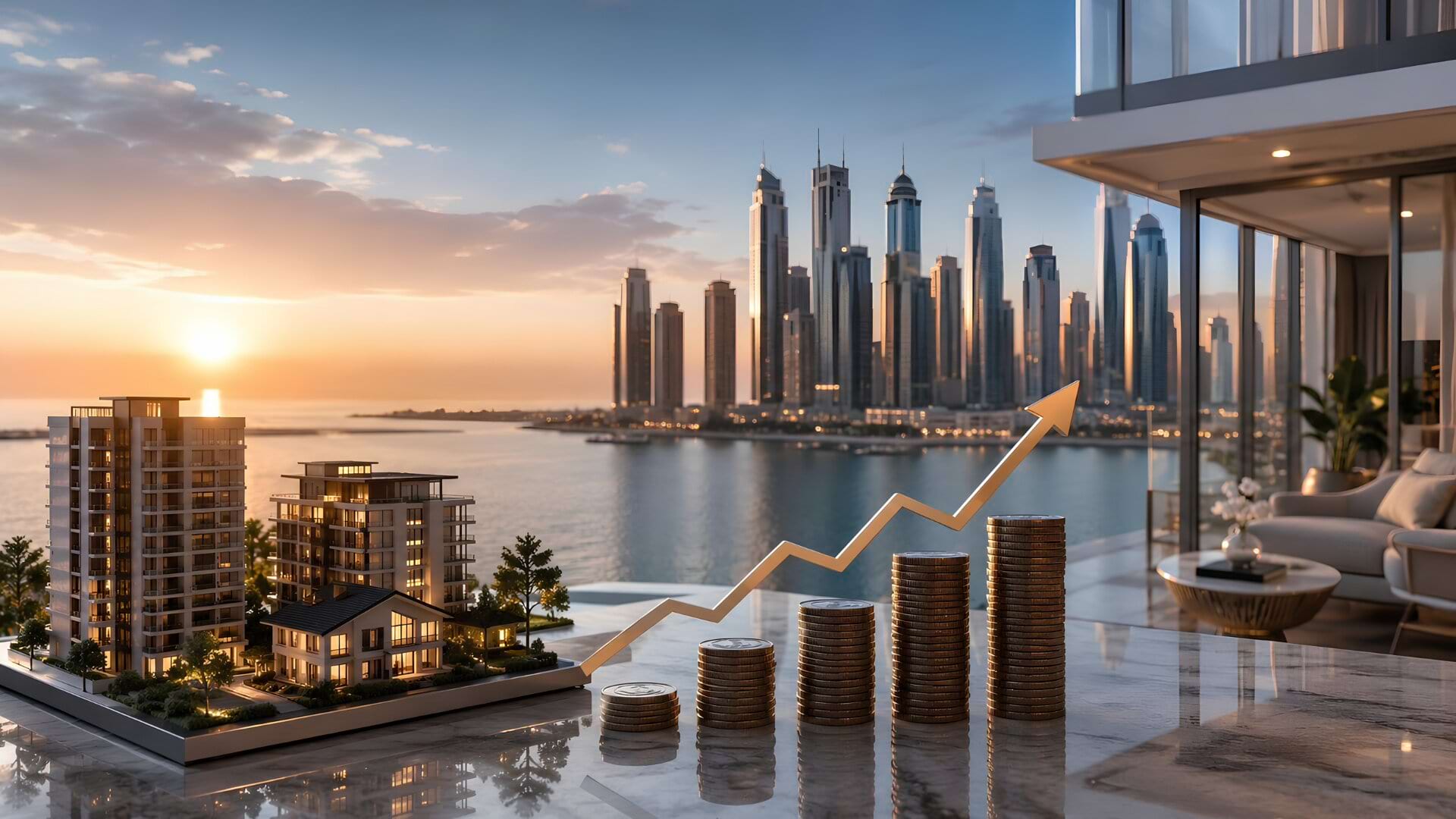
Rental yield is the pulse of a real estate investment. In the super-luxury segment, though, working out your returns involves more than just punching numbers into a calculator. You are looking at the interplay between a prestigious address, the kind of tenant you can attract, and how much the property itself will appreciate over the years.
If you want an asset that delivers steady cash flow while quietly growing in value, here is how to think about it properly.
In super-luxury real estate, rental yield is never just a percentage. It is a reading of tenant quality, operating discipline, and long-term asset positioning.
Yield vs. Appreciation: Why Low Numbers Aren't Always Bad
One of the first things new investors notice is that rental yields in prime Indian markets look surprisingly modest on paper. A bungalow in Jor Bagh or a penthouse in Golf Links might return just 2% to 3% annually in rent. Compare that to a mid-segment apartment in a Tier-2 city giving you 5% or 6%, and it can feel underwhelming.
But this is where experienced investors read between the lines. Properties in South Delhi's most coveted pockets, including Chanakyapuri, Sundar Nagar, and Amrita Shergill Marg, are land assets first and rental assets second. The scarcity is extreme, demand is perpetual, and capital appreciation over a 7 to 10 year window frequently outpaces anything you would earn through rent alone.
Gurgaon tells a different story. The towers along Golf Course Road, including DLF Camellias, The Crest, and similar developments, tend to offer more balanced returns, usually in the 4% to 5% range. You get healthier monthly cash flow, and while appreciation here can be strong too, it plays a supporting role rather than the lead.
Neither model is better. They simply suit different investor goals. If you are buying for legacy and generational wealth, South Delhi makes sense. If you want your property to pay its own way while still growing, Gurgaon's high-rises often fit better.
The Grade-A Factor
Luxury tenants, whether they are expats posted to India, senior corporate executives, or high-net-worth families relocating for business, do not rent apartments. They rent lifestyles. That means the building itself has to deliver.
When we talk about a Grade-A property, we are talking about international-standard amenities that hold up to scrutiny: concierge service, valet parking, well-equipped gyms, professionally maintained pools, and common areas that actually look as good five years after possession as they did at launch. Security matters enormously too. Multi-tier access control, CCTV coverage, and trained personnel are not perks for this tenant profile. They are baseline requirements.
Facility management is the quiet factor that separates successful rental assets from mediocre ones. A professionally run society with a respected managing agency means fewer tenant complaints, faster maintenance response times, and a building that retains its premium positioning over time. Skip this, and you will watch your rental ceiling drop within a few years as the property quietly loses its edge.
Furnishing Can Move the Needle More Than You Think
One often overlooked way to boost rental yield is how you hand over the apartment. Bare-shell units appeal to long-term family tenants but close the door on a large chunk of the expat and corporate short-lease market.
Invest in thoughtful, designer-led furnishing, quality upholstery, a proper kitchen setup, curated art, and smart home features, and the same apartment can command 20% to 30% more in monthly rent. For short-term corporate leases or furnished expat tenancies, typically 6 to 24 months, this premium is standard practice. The initial outlay of INR 25 to 75 lakhs on interiors sounds steep, but on a property worth INR 8 or 10 crore, it usually pays back within three to four years through higher rental income alone.
Don't Forget the Cost Side
Gross yield is an easy number to flash around, but it is not the one that matters. What you actually take home, your Net Operating Income or NOI, is gross rent minus all the operating costs the property generates.
In super-luxury condominiums, Common Area Maintenance charges can range from INR 15 to INR 40 per square foot per month. On a 5,000 sqft apartment, that works out to INR 75,000 to INR 2 lakh in monthly maintenance alone. Add property tax, insurance, periodic repainting, and any society-levied sinking funds, and your real yield can look meaningfully lower than the headline number suggests.
This is why an apartment advertised at a 4.5% gross yield might deliver closer to 3.2% net. Always run the calculation on net, not gross, before committing.
The Tenant Profile Shapes Everything
Who rents your property determines how smoothly the investment runs. Expat diplomats and senior foreign executives are typically backed by corporate leases with three-year lock-ins, on-time payments, and relocation agencies that handle most issues directly. Indian HNIs and CXOs tend to treat the property with care and pay promptly. Short-term furnished rentals to visiting executives can push yield higher but come with more churn between tenancies.
Location largely dictates which tenant profile you will attract. Embassy-adjacent pockets in Delhi draw diplomatic tenants. Golf Course Road and Golf Course Extension pull corporate expats working in Gurgaon's business districts. Lutyens' bungalows attract old-money families and senior industrialists. Match the asset to the tenant pool before you buy, not after.
Final Thoughts
Rental yield in the luxury segment is never just about the percentage on a brochure. It is about balancing immediate cash flow against long-term appreciation, understanding the tenant profile you are building for, and accounting honestly for the costs that come with owning a high-end asset.
Done right, a super-luxury property can be both a lifestyle statement and one of the most resilient investments in a diversified portfolio. At Luxury Habitat, we help clients evaluate these numbers with clarity before they commit, because a prime address should work just as hard for your returns as it does for your reputation.
Frequently asked questions
Questions investors often ask
What is a good rental yield for luxury properties in India?
For residential assets in prime Delhi and Gurgaon clusters, a yield of 2.5% to 4% is considered healthy. Commercial luxury assets operate on a different scale and typically deliver 7% to 9%.
Does furnishing a luxury apartment increase the yield?
Yes, and significantly. Bespoke, designer-furnished apartments can command a rental premium of 20% to 30%, particularly for short-term expat and corporate leases where tenants expect a move-in-ready experience.
How do maintenance costs affect net yield?
Heavily. Common Area Maintenance charges in super-luxury condominiums can run into lakhs per month, and ignoring them paints a misleading picture of your returns. Always calculate your Net Operating Income after all ownership costs to understand what the property actually earns you.
More perspectives
Related reads from the Luxury Habitat journal

Market Intelligence
20 Jan 2022
Capital Flows in Gurgaon's Luxury Residential Market
An examination of demand drivers, infrastructure influence, and capital movement shaping Gurgaon's high-end residential landscape.
Read article
Portfolio Strategy
10 Jan 2024
Holiday Homes as Strategic Assets
Understanding how curated second homes in emerging lifestyle destinations can balance experiential value with long-term capital growth.
Read article